"If we can put a man on the moon, we should be able to save our environment."
Flora & Fauna
The Everglades is a living tapestry of vibrant ecosystems, where ancient cypress trees stand sentinel over vast expanses of sawgrass marshes. Home to the elusive Florida panther and the iconic American alligator, the Everglades teems with life at every turn. Delicate orchids and towering mangroves create a rich and diverse plant life that supports a complex web of species. This unique wilderness is a vital sanctuary, preserving the natural beauty and biodiversity of Florida for generations to come.
Everglades Flora
The plant life in the Everglades is as diverse as it is fascinating. At its heart are the expansive sawgrass prairies, which are the signature feature of this landscape. Sawgrass, a type of sedge with sharp-edged leaves, creates dense, resilient stands that define the wetlands. These prairies play a crucial role in filtering and regulating the flow of water through the Everglades.
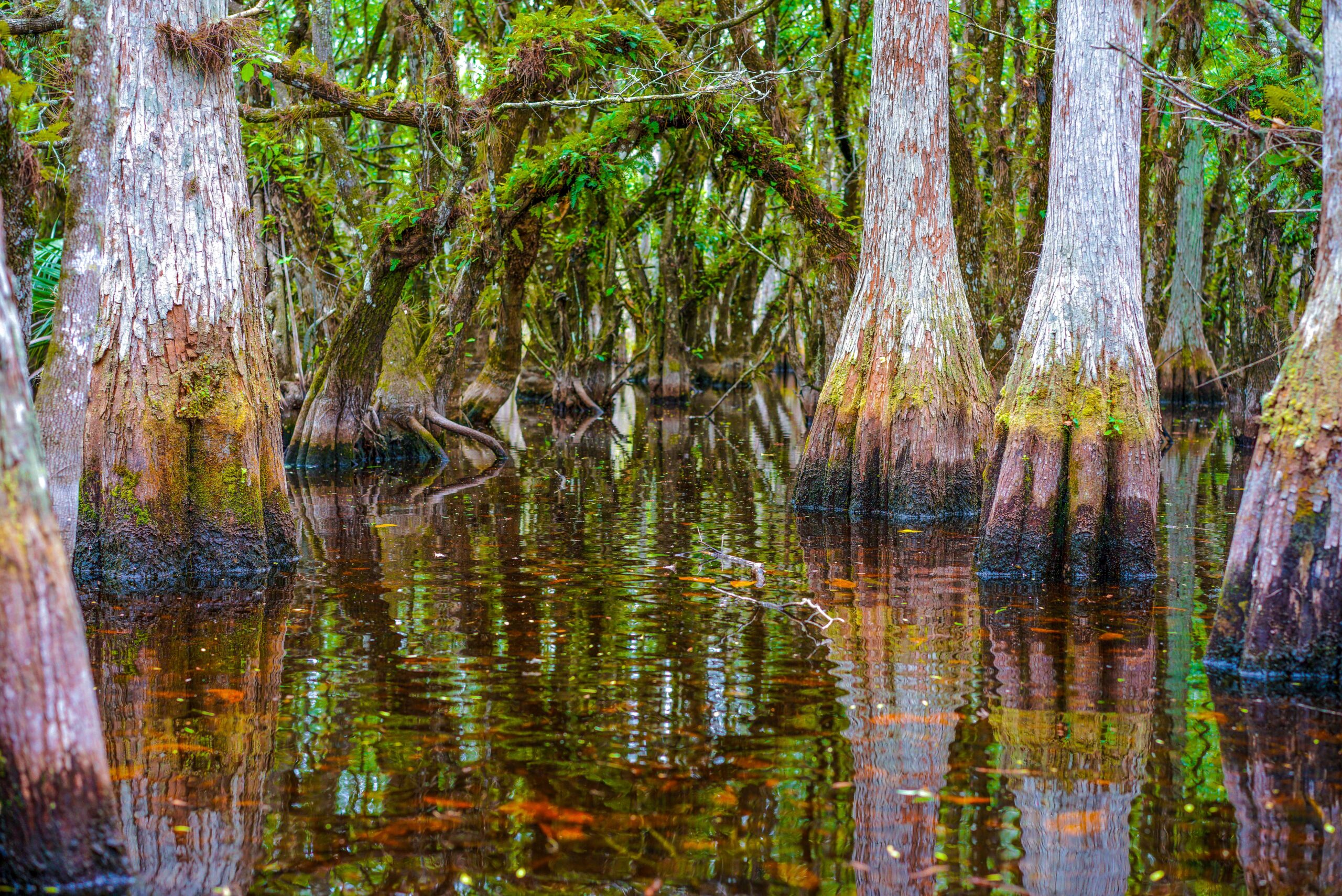
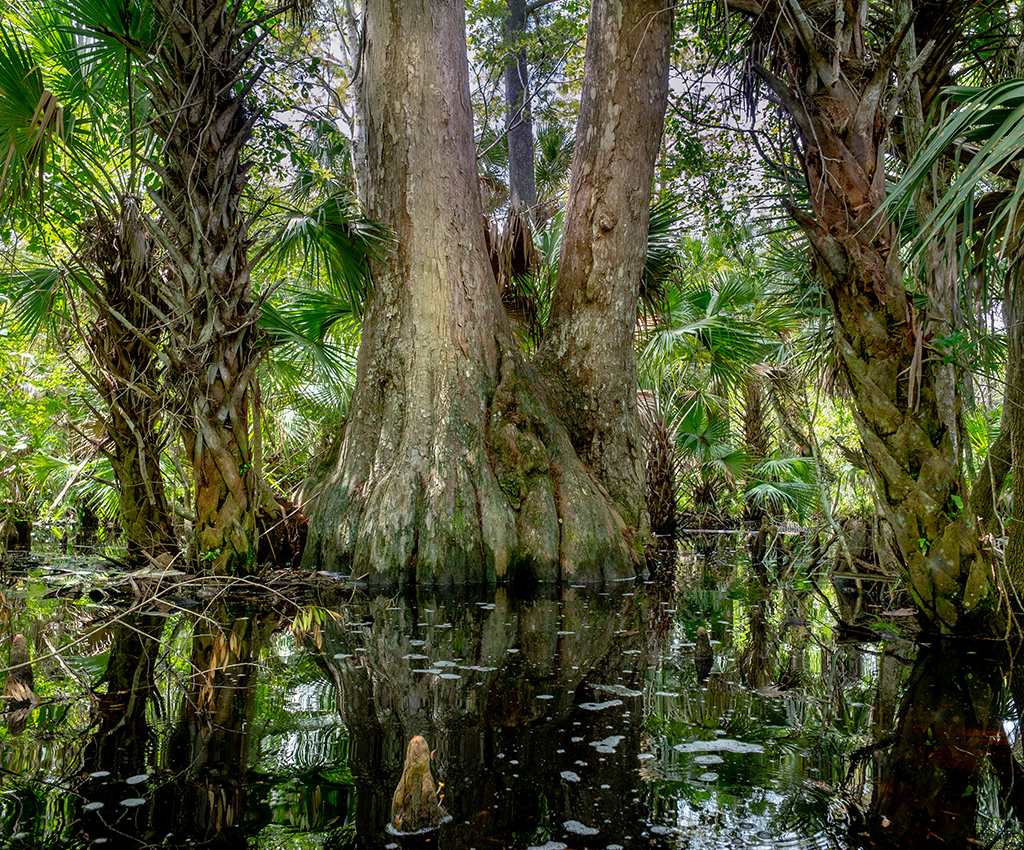
In the wetter areas, you’ll find cypress swamps dominated by towering cypress trees with their distinctive, knobby knees that protrude from the water. These trees are well-adapted to the Everglades’ periodic flooding, and their roots provide vital support for a host of other species.
Cypress trees are iconic, towering trees commonly found in the wetlands of the Everglades. There are two main types: Bald Cypress and Pond Cypress. Adapted to thrive in waterlogged soils, they feature unique “knees” that protrude from the ground to provide stability and aid in gas exchange. These trees are crucial to the ecosystem, offering habitat for diverse wildlife, helping to regulate water flow, and improving water quality by trapping sediments. With their ancient roots and resilience to harsh conditions, cypress trees are a symbol of the Everglades’ natural beauty and complexity.
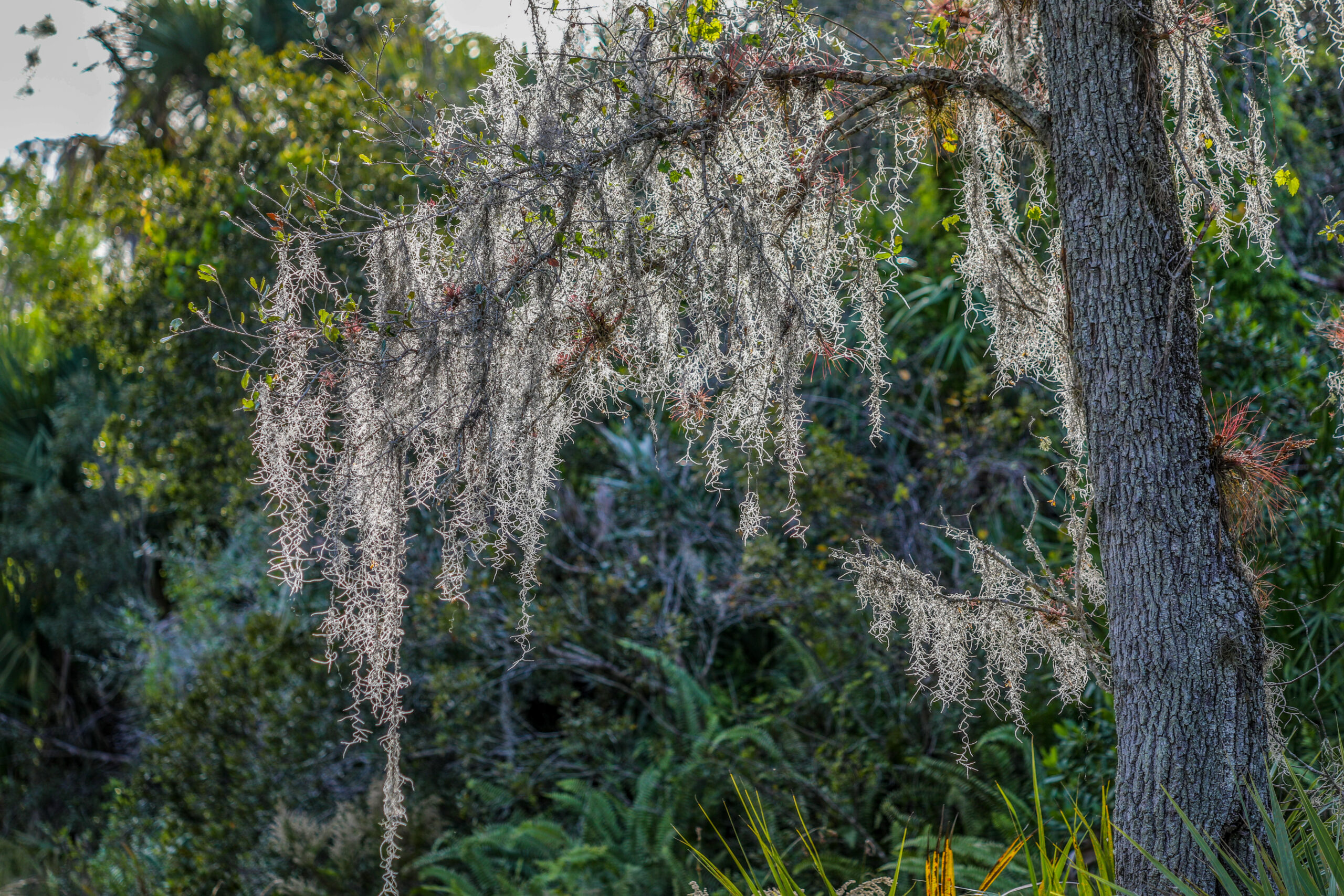
Spanish moss in the Everglades is a distinctive and enchanting plant, draping elegantly from cypress and oak trees. Despite its delicate appearance, it is a resilient air plant that thrives in the region’s humid, swampy conditions by absorbing moisture and nutrients directly from the air. Serving as habitat for birds and insects, Spanish moss contributes to the biodiversity of the Everglades while adding to its mystical, timeless landscape. Its presence is a reminder of the intricate balance and beauty of this unique ecosystem.
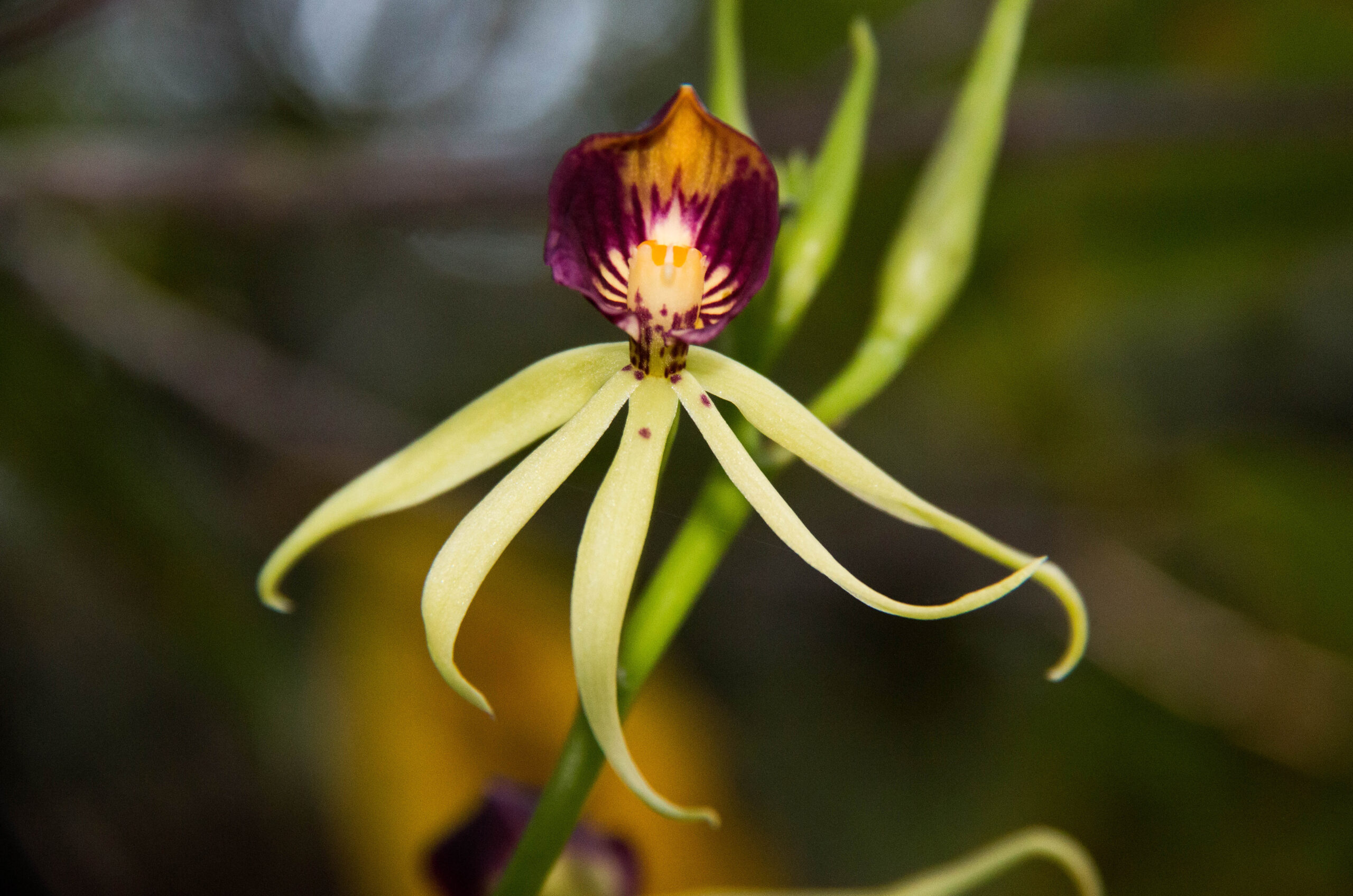
Orchids and bromeliads add a splash of color and intrigue to the Everglades. Orchids, with their delicate, intricate flowers, often grow on trees or other plants in a symbiotic relationship known as epiphytism. Bromeliads, with their rosette-shaped leaves, collect water in their leaf axils, creating mini-ecosystems that support a myriad of tiny creatures.
Everglades Fauna
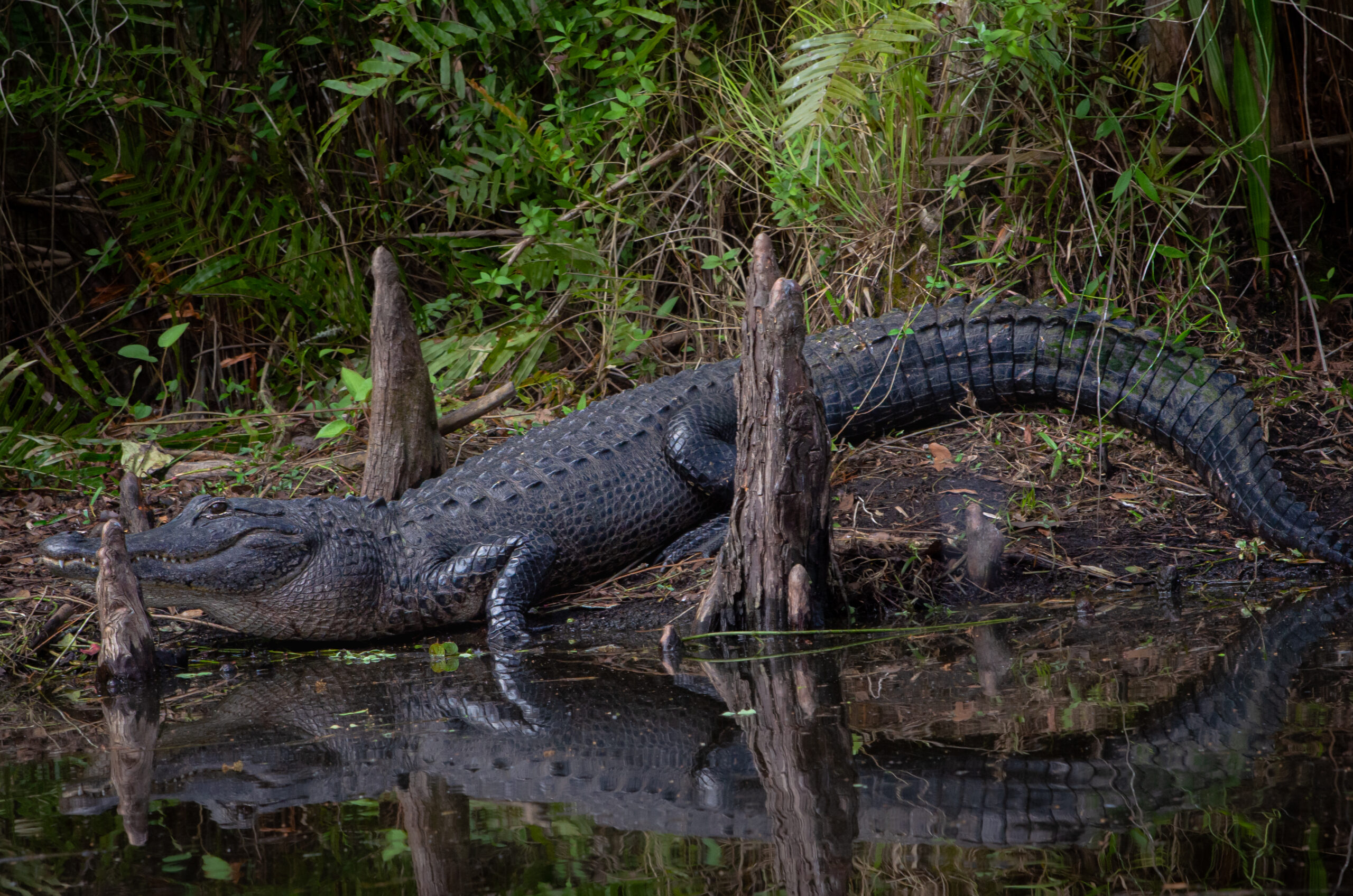
The fauna of the Everglades is equally remarkable, representing a rich mix of species adapted to its varied habitats. The alligator, an iconic resident of the Everglades, plays a pivotal role in shaping the landscape. These formidable reptiles help maintain the balance of the ecosystem by creating gator holes, which serve as crucial water sources for other animals during dry periods.
The Everglades is a living, breathing testament to nature’s creativity and resilience. Its flora and fauna, adapted to the subtropical environment, create a vibrant and intricate ecosystem where every plant and animal has its place. Preserving this natural wonder is essential not only for maintaining its biodiversity but also for ensuring that future generations can continue to marvel at the beauty and complexity of this remarkable landscape.
Keystone Species
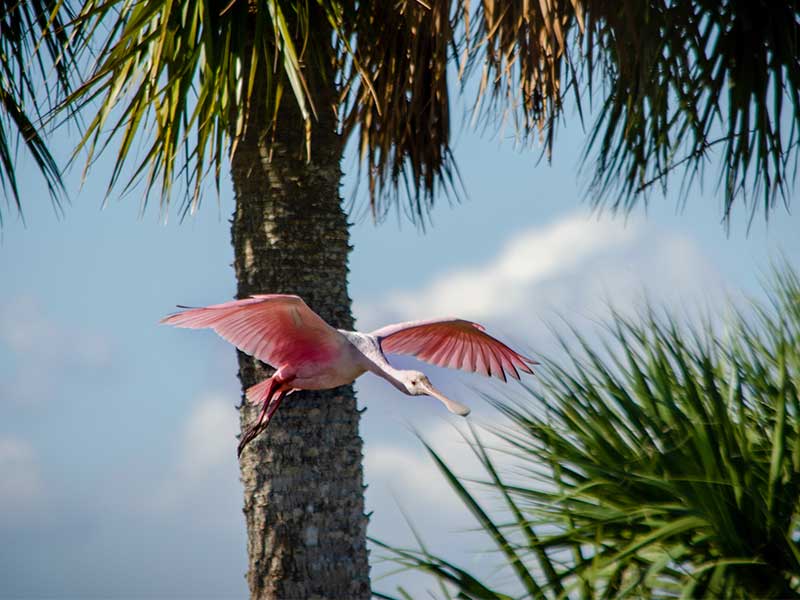
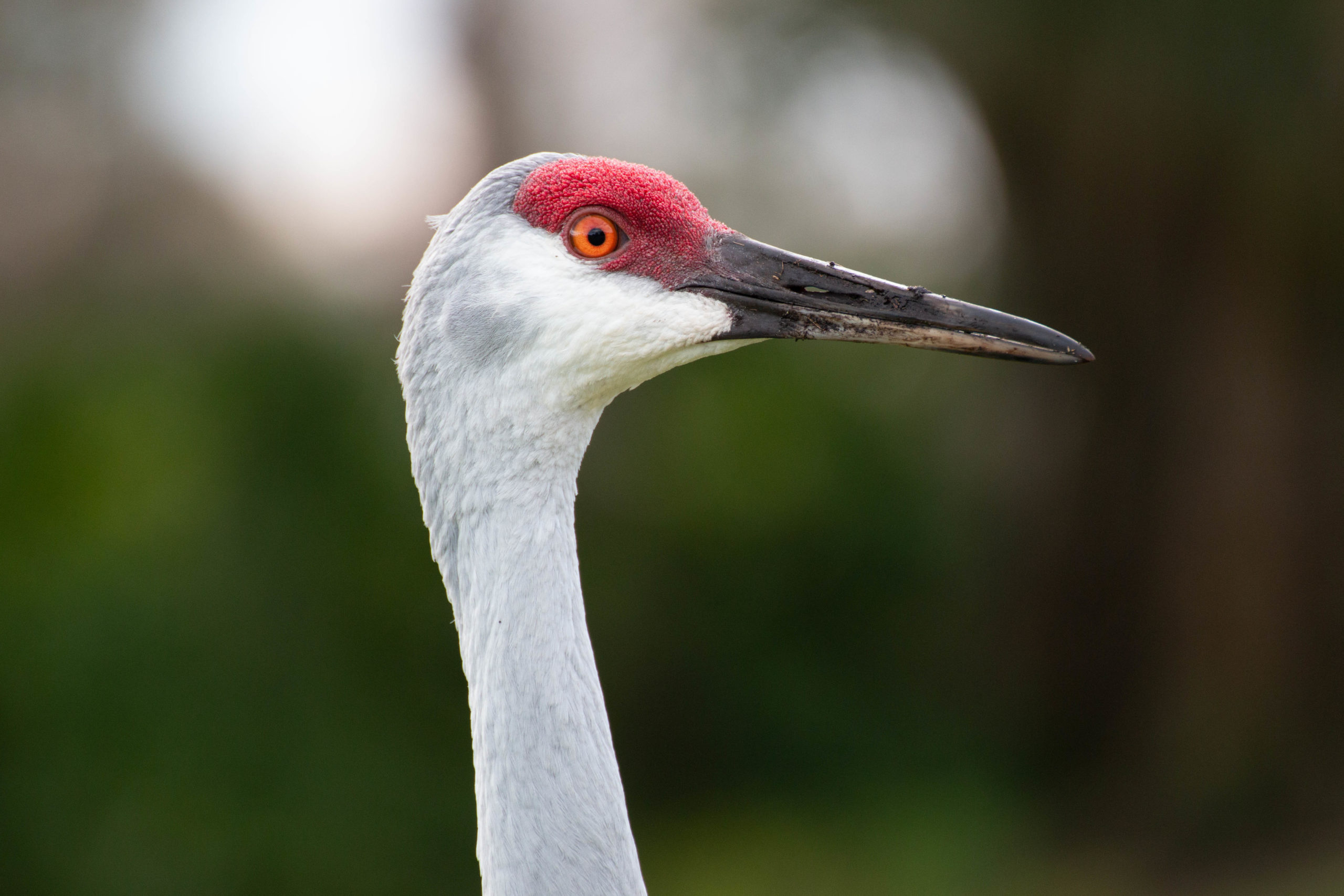
Birdlife in the Everglades is abundant and diverse. Wading birds such as herons, egrets, and ibises can be seen gracefully moving through the shallow waters in search of prey. The Everglades also provide critical nesting grounds for the endangered snail kite, which feeds almost exclusively on apple snails found in the wetlands.
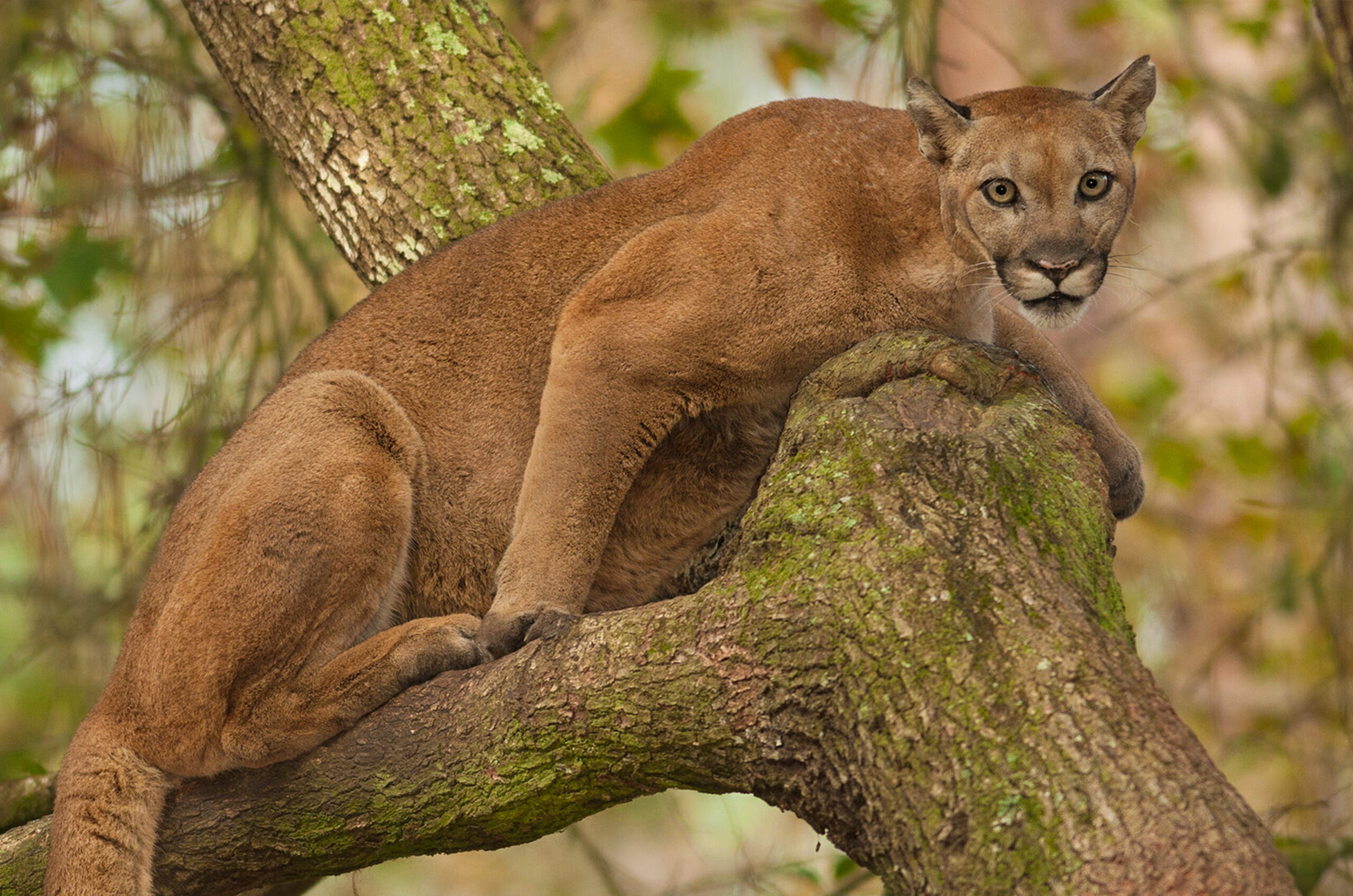
Mammals add a dynamic element to the Everglades’ ecosystem. The Florida panther, an elusive and critically endangered species, roams the upland areas of the Everglades. These large cats are at the top of the food chain and rely on a healthy, functioning ecosystem to support their prey. Other notable mammals include the elusive bobcat, the playful river otter, and the ever-present raccoon.
- All Flora
- Advocacy & Policy
- Animals
- Education
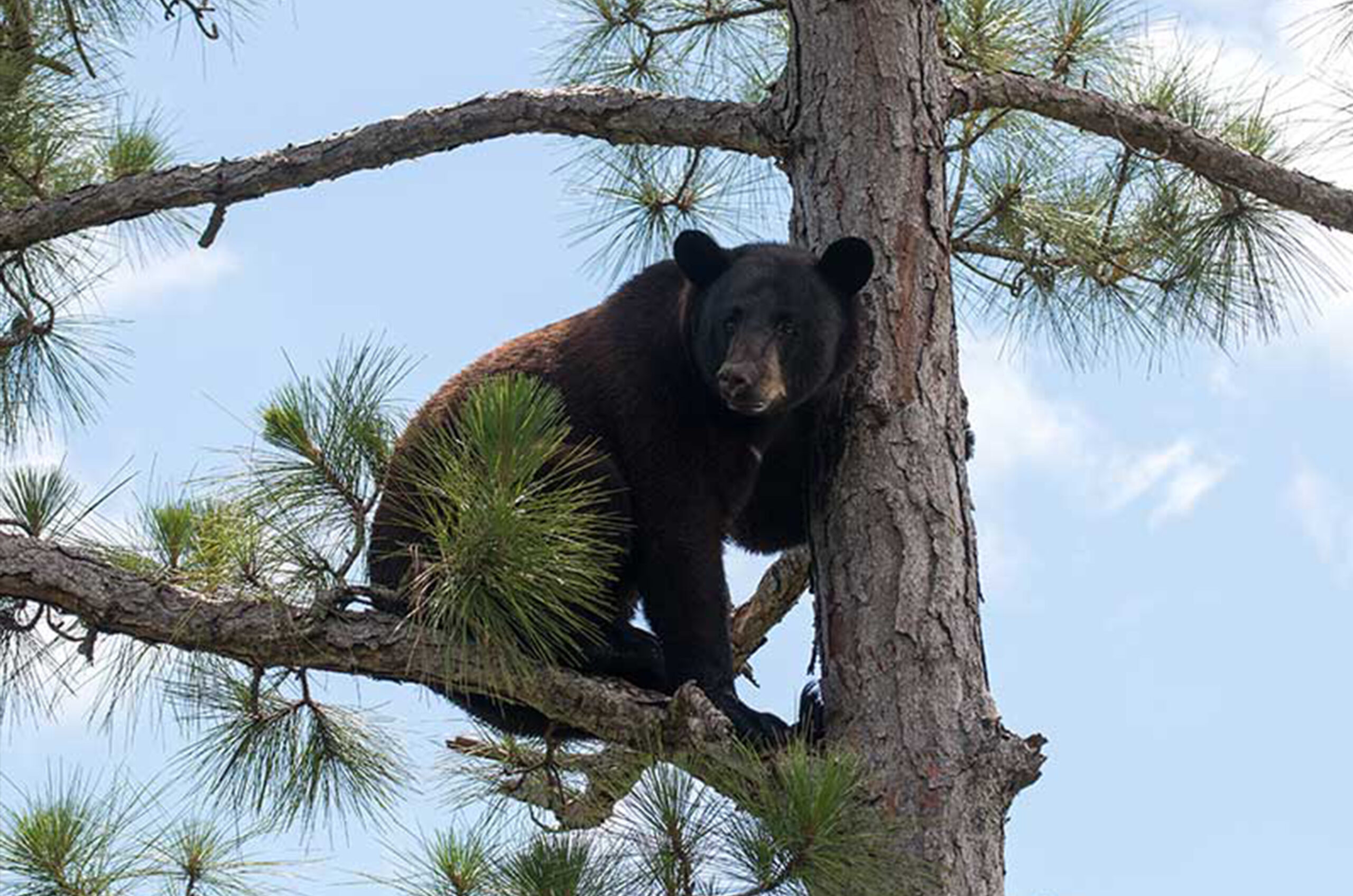
- Florida Bear
- History
- In The News
- Plants
- Water Management
Mammals add a dynamic element to the Everglades’ ecosystem. The Florida panther, an elusive and critically endangered species, roams the upland areas of the Everglades. These large cats are at the top of the food chain and rely on a healthy, functioning ecosystem to support their prey. Other notable mammals include the elusive bobcat, the playful river otter, and the ever-present raccoon.
- All Flora
- Animals
News & Updates
Sign up to receive the latest news and updates!